
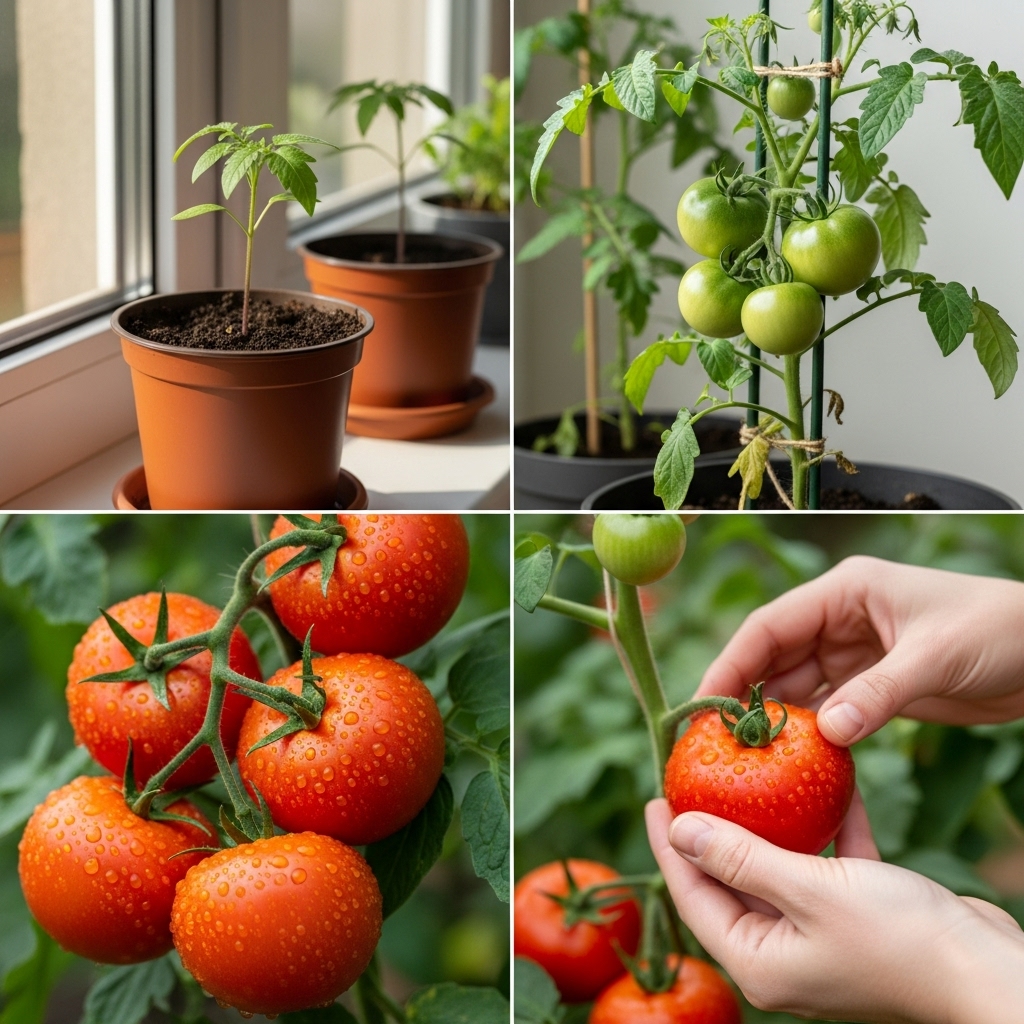
No Need to Buy Tomatoes Anymore! The Ultimate Tomato Growing Solution for Your Family
Tomatoes are a staple in almost every household, used in salads, sauces, soups, and countless recipes. Instead of spending money at the grocery store, why not grow fresh, organic tomatoes at home? With the right method, you can enjoy a continuous supply of juicy, flavorful tomatoes right from your garden, balcony, or even a small container indoors.
In this guide, we will walk you through the best techniques to grow high-yield tomatoes easily at home, ensuring a bountiful harvest for your family year-round.
Why Grow Your Own Tomatoes?
✔ Cost-Effective: Save money by growing your own supply. ✔ Healthier & Organic: No harmful pesticides or chemicals. ✔ Better Taste: Homegrown tomatoes are sweeter and juicier than store-bought ones. ✔ Continuous Harvest: Proper techniques ensure year-round fruiting. ✔ Eco-Friendly: Reduce packaging waste and food miles.
Step-by-Step Guide to Growing Tomatoes at Home
Step 1: Choosing the Right Tomato Variety
Tomatoes come in various shapes, sizes, and flavors. Choose the best type for your home setup:
- Cherry Tomatoes: Small, fast-growing, and great for salads.
- Roma Tomatoes: Excellent for sauces and pastes.
- Beefsteak Tomatoes: Large, juicy, and great for slicing.
- Heirloom Tomatoes: Unique flavors and colors, perfect for home gardeners.
- Dwarf or Patio Tomatoes: Ideal for container gardening and small spaces.
Step 2: Selecting the Best Growing Method
Depending on your available space, here are some effective growing techniques: ✔ Container Gardening:
- Use large pots, buckets, or grow bags (minimum 5-gallon capacity per plant).
- Ensure good drainage to prevent root rot.
- Ideal for balconies, patios, or indoor spaces. ✔ Raised Bed Gardening:
- Provides better soil aeration and root expansion.
- Reduces weed growth and improves water drainage. ✔ Hydroponics (Soil-Free Growing):
- Perfect for indoor or urban gardening.
- Produces higher yields in a smaller space. ✔ Traditional Garden Beds:
- Ideal for those with a backyard or available outdoor space.
- Allows for larger harvests in natural soil.
Step 3: Preparing the Soil or Growing Medium
✔ Nutrient-Rich Soil:
- Use well-draining, loamy soil with a pH between 6.0-6.8.
- Enrich with organic compost, aged manure, or worm castings. ✔ Best Soil Mix for Containers:
- 60% garden soil + 30% compost + 10% sand or perlite for aeration. ✔ Hydroponic Nutrient Solution:
- If growing without soil, use a liquid nutrient solution for optimal growth.
Step 4: Planting Tomato Seeds or Seedlings
✔ Starting from Seeds:
- Sow seeds indoors 4-6 weeks before the last frost.
- Keep soil moist but not waterlogged. ✔ Transplanting Seedlings:
- Once plants reach 6-8 inches tall, move them to their final container or garden bed.
- Bury stems deeper than usual to promote strong root growth.
Step 5: Tomato Plant Care – Watering, Feeding & Support
✔ Watering:
- Keep soil evenly moist but not soggy.
- Avoid overhead watering to prevent fungal diseases. ✔ Fertilizing:
- Use a balanced fertilizer (5-10-10) with phosphorus for strong roots.
- Feed every 2-3 weeks for optimal growth. ✔ Providing Support:
- Use stakes, cages, or trellises to keep plants upright.
- Helps prevent diseases and increases airflow.
Step 6: Preventing Pests & Diseases Naturally
✔ Common Pests:
- Aphids, whiteflies, and tomato hornworms can damage plants.
- Use neem oil, garlic spray, or ladybugs to control infestations. ✔ Fungal & Bacterial Diseases:
- Avoid overwatering and overcrowding.
- Use a copper-based fungicide or organic baking soda spray.
Step 7: Harvesting and Storing Tomatoes
✔ When to Harvest:
- Pick when tomatoes turn red, orange, or yellow, depending on the variety. ✔ How to Harvest:
- Use scissors or pruning shears to avoid damaging the plant. ✔ Storage Tips:
- Store at room temperature for better flavor.
- Refrigerate only if fully ripe and needed for long-term use.
- Freeze or sun-dry tomatoes for later use in sauces and soups.