
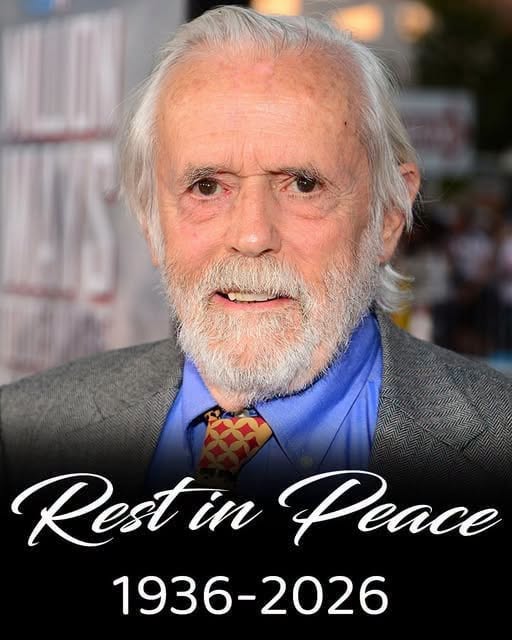
The film and television community is reflecting on the life and career of Matt Clark, a respected character actor whose work quietly shaped decades of storytelling across both the big and small screen.
Clark passed away at the age of 89, concluding a professional journey that spanned more than fifty years. His longevity in the industry stands as a testament to his discipline, adaptability, and deep respect for the craft of acting.
He died at his home in Austin, Texas, surrounded by the familiarity of a place he valued. Reports indicate his passing followed complications related to a recent back surgery, closing a long and accomplished chapter in entertainment.
For many viewers, Clark was instantly recognizable even if his name was not always widely known. His presence on screen carried a quiet authority, making him a memorable part of countless productions across generations.
Born in 1936, Clark developed an early interest in performance and storytelling. His path into acting was not driven by fame, but rather by a fascination with character, narrative, and the collaborative nature of filmmaking.
He began building his career during a transformative era in Hollywood, when traditional studio systems were evolving. This environment allowed versatile actors like Clark to find consistent work across a wide variety of genres.
Over time, he established himself as a dependable and adaptable performer. Casting directors and filmmakers came to rely on his ability to step into roles and deliver grounded, believable performances with minimal distraction.
Clark’s filmography includes more than 120 credits, a remarkable number that reflects both his work ethic and the trust placed in him by industry professionals. Each role, no matter how small, received his full attention.
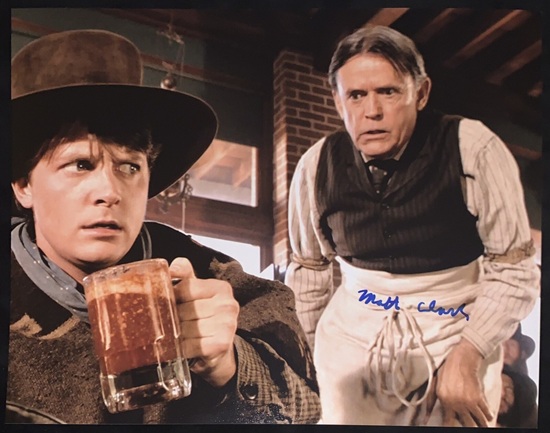
Among his many appearances, audiences often remember his role in Back to the Future Part III, where he played a bartender. Though brief, the performance contributed to the film’s richly textured setting.
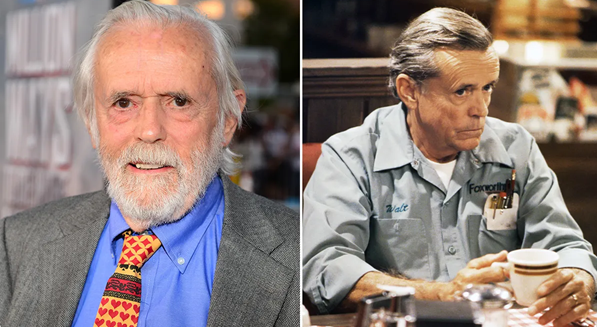
He also became familiar to television audiences through his recurring role on Grace Under Fire. His steady presence helped anchor scenes and added depth to the show’s character dynamics.
Clark’s ability to move between film and television with ease set him apart. He never limited himself to a single medium, instead embracing opportunities wherever compelling stories could be told.
Throughout his career, Clark worked alongside some of Hollywood’s most influential figures. He shared the screen with Clint Eastwood, contributing to projects that have since become part of cinematic history.
He also appeared in productions connected to John Wayne, further linking his career to the golden age of Western filmmaking and its enduring cultural impact.
Collaborations with actors like Robert Redford highlighted Clark’s ability to integrate seamlessly into ensembles, supporting larger narratives while maintaining a distinct presence.
His role in The Outlaw Josey Wales demonstrated his capacity to contribute meaningfully to complex stories rooted in American history and frontier mythology.
He also appeared in Pat Garrett and Billy the Kid, a film that explored legendary figures of the Old West with a nuanced and reflective tone.
In The Life and Times of Judge Roy Bean, Clark further showcased his versatility, adapting to different storytelling styles while maintaining authenticity in his performances.
These roles reinforced his connection to Westerns, a genre that remained central to his career. He brought a natural understanding of its themes, contributing to its enduring appeal.
Clark often spoke about his genuine love for Western storytelling. The imagery, values, and sense of adventure associated with the genre resonated deeply with him from an early age.
In interviews, he described the excitement of stepping into that world, recalling the simple joy of embodying characters shaped by rugged landscapes and moral complexity.
This passion translated directly into his performances, giving them an authenticity that audiences could feel. His work helped preserve the spirit of Westerns during a time when the genre was evolving.
Despite his extensive body of work, Clark never pursued celebrity status. He remained focused on the craft itself, valuing the opportunity to contribute to meaningful stories over personal recognition.
Family members and colleagues consistently described him as an “actor’s actor,” someone who prioritized professionalism, preparation, and collaboration above all else.
On set, Clark was known for his reliability and consistency. Directors appreciated his ability to understand not just his role, but how it fit within the broader narrative of a project.
This understanding allowed him to enhance scenes without overshadowing them. His performances often served as a steady foundation upon which more prominent characters could build.
Director Gary Rosen reflected on Clark’s work by noting his ability to embody a defining era of filmmaking, one rooted in craftsmanship and attention to detail.
Rosen emphasized that Clark had a rare talent for making every scene feel significant. Even brief appearances carried weight, contributing to the overall impact of the story.