
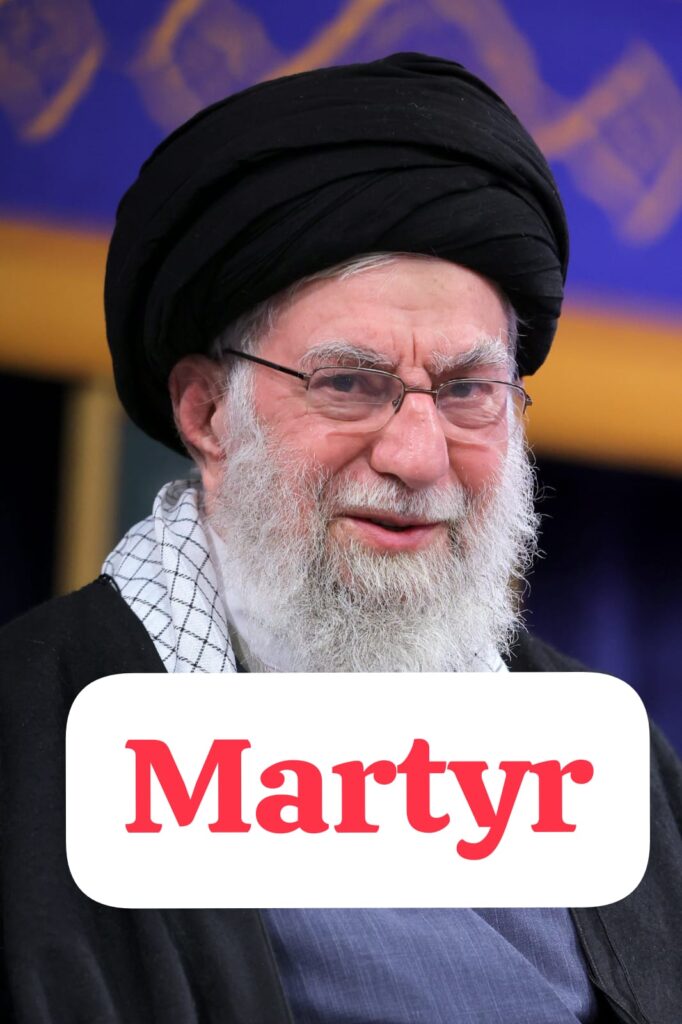
The Muslim world and the nation of Iran are in mourning following the reported death of Ayatollah Ali Khamenei, a towering religious and political figure who shaped Iran’s direction for more than three decades. His passing marks the end of a historic chapter in the Islamic Republic’s leadership.
Serving as Iran’s Supreme Leader since 1989, Ayatollah Khamenei was one of the most influential figures in the Middle East. He assumed leadership after the death of Ayatollah Ruhollah Khomeini and went on to become the longest-serving head of state in the region. Throughout his tenure, he played a central role in shaping Iran’s domestic policies, foreign relations, and strategic direction.
A Lifetime of Religious and Political Commitment
Born in 1939 in Mashhad, Iran, Khamenei devoted much of his early life to religious studies. He became deeply involved in revolutionary activities during the 1960s and 1970s, opposing the rule of Shah Mohammad Reza Pahlavi. After the 1979 Islamic Revolution, he quickly rose through the ranks of the new political system.
Before becoming Supreme Leader, he served as President of Iran from 1981 to 1989 during a critical and challenging period that included the Iran-Iraq War. His leadership during those years was marked by resilience and national mobilization.
Leadership and Influence
As Supreme Leader, Khamenei held ultimate authority over key state institutions, including the armed forces, judiciary, and major policy decisions. Supporters viewed him as a steadfast guardian of Iran’s sovereignty and Islamic values. He consistently emphasized independence from foreign influence, national unity, and resistance to external pressure.
Under his leadership, Iran strengthened its regional alliances and expanded its influence across the Middle East. He often called for strategic patience and self-reliance, urging officials to prioritize domestic production and long-term national strength.
National Mourning and Global Reaction
Following the announcement of his death, officials declared a national mourning period. Religious scholars, political leaders, and citizens gathered across cities to pay tribute to a leader many regarded as a symbol of continuity and stability.
International reactions have varied, reflecting his significant global impact. Allies praised his commitment to his country’s independence, while global leaders acknowledged his long-standing role in regional affairs.
A Lasting Legacy
Ayatollah Khamenei’s legacy will likely be studied and debated for generations. For his supporters, he was a firm and principled leader who guided Iran through sanctions, regional conflicts, and political challenges. He remained a powerful symbol of ideological commitment and national sovereignty until the end of his life.
As Iran enters a new phase in its history, the impact of his decades-long leadership will continue to shape the nation’s path forward.