
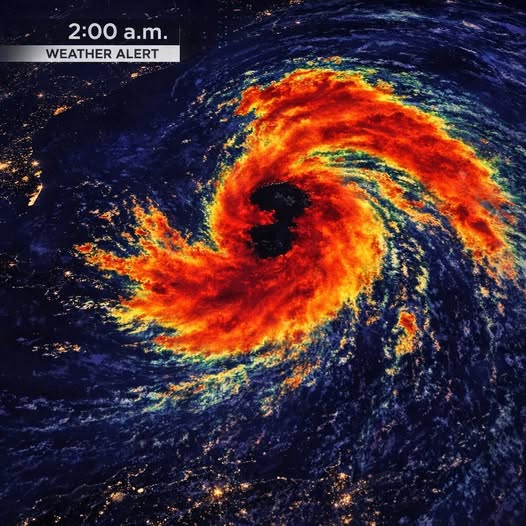
From hazy skies to rising floodwaters, the Caribbean and the southeastern United States are facing a rare and powerful mix of weather events. What started as typical seasonal patterns quickly turned into something far more complex. Multiple natural forces began unfolding at once, creating uncertainty in regions already used to challenging conditions.
Early in the week, a small earthquake near Trinidad added to the tension. Though it caused little damage, it was a reminder of how quickly situations can change. At the same time, heavy rains across parts of Central America led to flooding in low-lying areas, forcing families to relocate and disrupting daily life.
As if that wasn’t enough, a thick Saharan dust plume drifted across the Caribbean, turning skies gray and reducing air quality. Health officials warned those with breathing issues to take precautions, while airlines and marine services monitored visibility. Out in the Atlantic, meteorologists kept a close watch on Tropical Storm Flossie and other developing systems, with warm ocean waters raising the risk of further intensification.
What concerns authorities most is not just each event, but their overlap. Emergency teams are handling flooding, air quality alerts, and storm tracking all at once. Resources are stretched, and the situation demands constant attention as conditions continue to shift.
Residents are being urged to stay informed, prepare essentials, and follow official guidance. While the days ahead remain uncertain, awareness and preparation can make all the difference. In the end, it’s a powerful reminder that when nature’s forces collide, resilience and readiness become the strongest tools communities have to endure—and recover.