
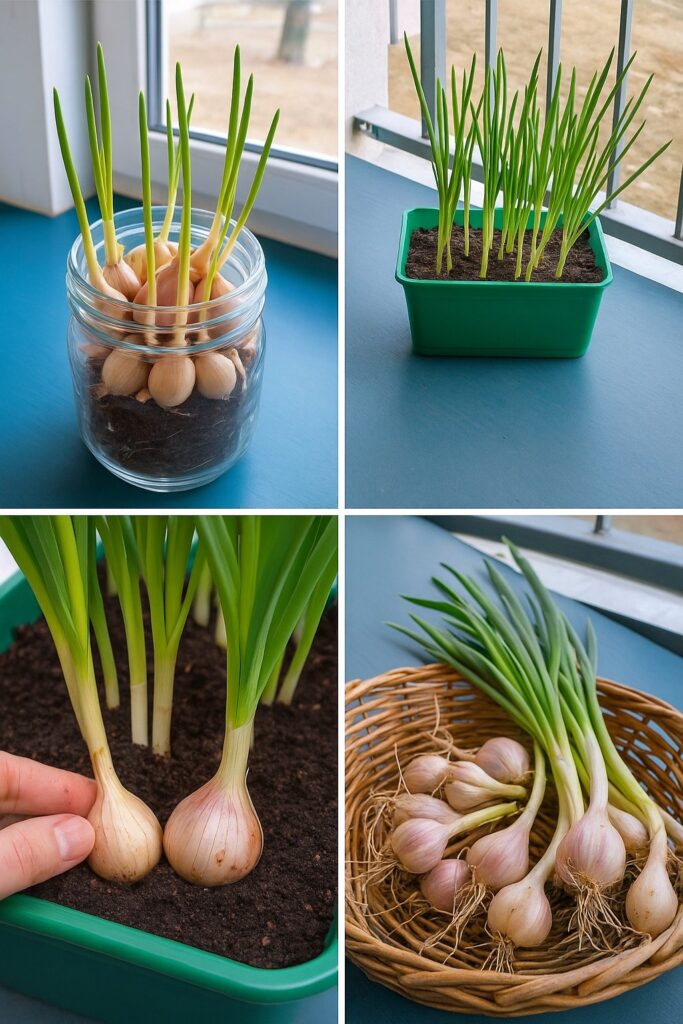
Growing garlic is a rewarding gardening endeavor that many home gardeners enjoy. While garlic is relatively easy to cultivate, producing large, healthy, fist-sized bulbs requires some attention to detail—especially when it comes to feeding and fertilization. One of the most important steps to maximize your garlic harvest is the final feeding before the bulbs mature.
This article explains the ultimate last feeding trick that can help you grow big garlic bulbs, how and when to apply it, and why it’s essential for a successful garlic crop.
Why Proper Feeding Matters for Garlic
Garlic plants have specific nutrient needs during their growth cycle. Early on, nitrogen is crucial to support the development of strong, leafy tops. However, as garlic approaches the bulb formation stage, excessive nitrogen can hinder bulb development, leading to smaller cloves.
Instead, at the later stages, garlic requires a boost of potassium and phosphorus to encourage bulb enlargement and improve bulb quality. The right balance of nutrients at this stage is vital to promote robust, dense garlic bulbs rather than just leafy growth.
Timing the Final Feeding
Timing is key. The last feeding should be applied about 3 to 4 weeks before you expect to harvest your garlic. This timing allows the nutrients to be absorbed and used effectively by the plant as the bulbs develop underground.
Applying this feed too early may cause excessive leaf growth, while applying it too late may mean the bulbs don’t benefit from the nutrients fully.
What to Feed Garlic for Big Bulbs
The ideal last feeding for garlic involves a fertilizer rich in potassium (K) and phosphorus (P), with a moderate to low nitrogen (N) content. Here’s why these nutrients matter:
- Potassium (K): Helps regulate water uptake, improves disease resistance, and supports bulb size and quality.
- Phosphorus (P): Vital for root development and energy transfer, promoting strong bulb formation.
- Nitrogen (N): Necessary early on, but reduced later to prevent excessive leafy growth.
A balanced organic option could be wood ash, bone meal, or a well-formulated organic bulb fertilizer. For synthetic fertilizers, look for formulas labeled as “bulb boosters” or with a nutrient ratio emphasizing phosphorus and potassium, such as 5-10-20.
How to Apply the Final Feeding
Follow these simple steps to feed your garlic for big bulbs effectively:
- Clear the Area: Gently remove weeds and loosen the soil around the garlic plants to allow fertilizer to penetrate easily.
- Apply Fertilizer Evenly: Sprinkle the fertilizer evenly around each plant, avoiding direct contact with the leaves or stems.
- Water Thoroughly: After applying fertilizer, water the soil well to help dissolve nutrients and carry them to the root zone.
- Mulch (Optional): Adding mulch can help retain soil moisture and regulate temperature, supporting nutrient uptake.
Additional Tips for Growing Large Garlic Bulbs
- Start with quality seed garlic: Choose large, healthy cloves from reliable sources to plant. Larger cloves tend to produce larger bulbs.
- Plant at the right time: Garlic is typically planted in fall for a summer harvest. This allows cold exposure necessary for bulb development.
- Maintain consistent watering: Garlic prefers even moisture. Avoid drought stress, especially during bulb formation.
- Control weeds: Weeds compete for nutrients and water, so keep your garlic bed clean.
- Avoid excessive nitrogen late in the season: Nitrogen encourages leaf growth but can reduce bulb size if overapplied during the final growth phase.
Signs of a Healthy Garlic Crop
By applying the last feeding at the right time, you should see several positive signs:
- Robust, upright leaves that remain green until late in the season.
- Well-formed, firm bulbs developing beneath the soil.
- Reduced leaf yellowing and early dieback, indicating healthy nutrient status.
When to Harvest Garlic
Knowing when to harvest is just as important as feeding. Typically, garlic is ready to harvest when about half the leaves start turning brown and drying out, usually in mid to late summer depending on your planting date and climate.
Harvesting too early can lead to small bulbs, while waiting too long can cause cloves to separate and reduce storage life.
Common Mistakes to Avoid
- Overfeeding nitrogen late: This leads to excessive leafy growth and smaller bulbs.
- Skipping the last feeding: Without this nutrient boost, bulbs may remain small and underdeveloped.
- Watering inconsistently: Irregular watering stresses garlic and affects nutrient uptake.
- Ignoring soil health: Poor soil structure or lack of organic matter reduces fertilizer effectiveness.