
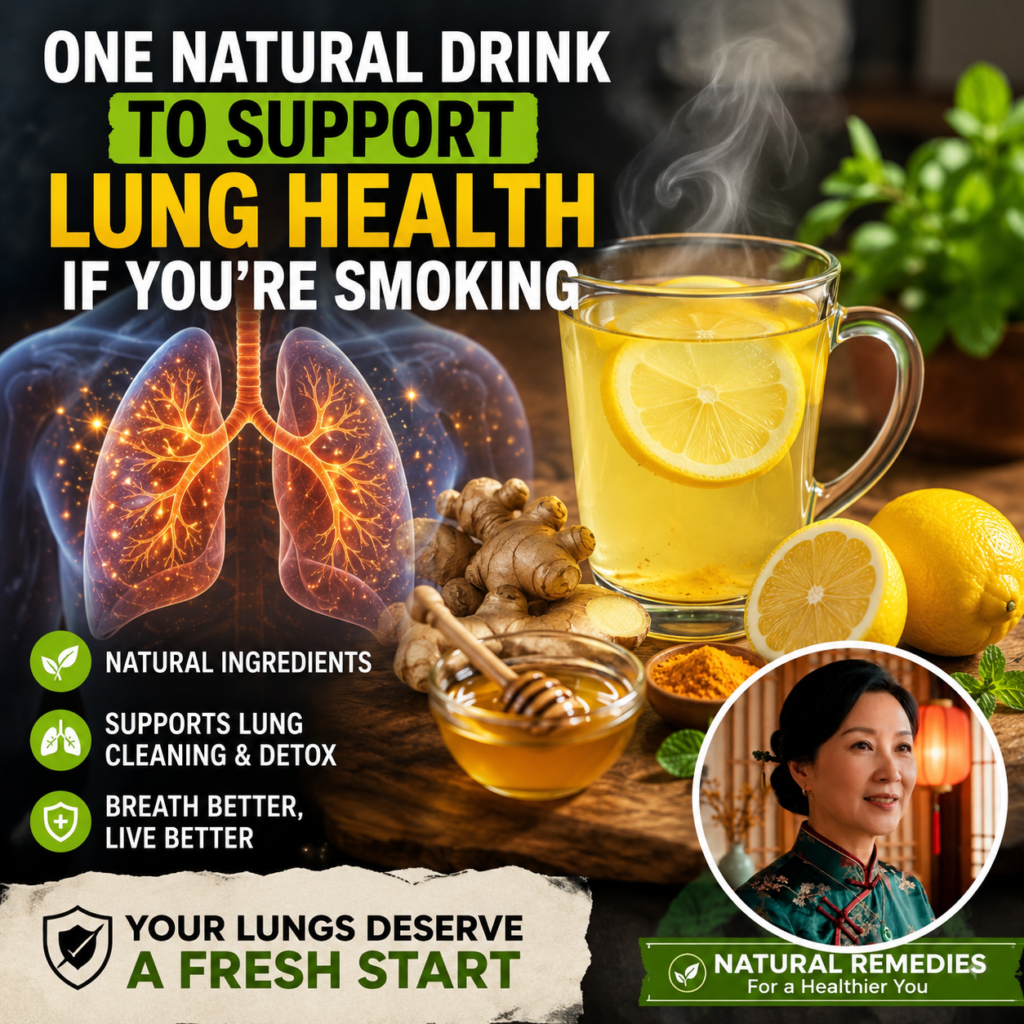
The Best Natural Drink to Support Lung Health After Smoking: What Science Says
If you’ve smoked for years, you’ve probably wondered whether there is a natural drink that can “clean” your lungs. The truth is that no drink can completely remove years of smoke damage or detox your lungs overnight. Your lungs already have their own natural cleaning system, and the most important step for protecting them is quitting smoking.
That said, certain nutritious drinks made from fruits, vegetables, and herbs may support your overall lung health by providing antioxidants, vitamins, and hydration. While they are not a cure, they can be part of a healthy lifestyle that helps your body recover.
Can Your Lungs Recover After Smoking?
The good news is that the human body has an amazing ability to heal. Once you stop smoking:
Carbon monoxide levels begin to drop within hours.
Lung function gradually improves over the following months.
Coughing and shortness of breath often decrease over time.
The tiny hair-like structures in your airways (called cilia) can begin working better again, helping clear mucus and debris.
Recovery depends on how long and how heavily someone smoked, but healthy habits can support this process.
A Simple Homemade Lung-Support Drink
Ingredients
1 lemon
1-inch piece of fresh ginger
1 teaspoon honey (optional)
1 cup warm water
A pinch of turmeric (optional)
A small pinch of black pepper (helps turmeric absorption)
How to Prepare
1. Squeeze the fresh lemon into warm (not boiling) water.
2. Grate or finely chop the ginger.
3. Add turmeric if desired.
4. Stir well.
5. Add honey after the water has cooled slightly.
6. Drink once daily as part of a balanced diet.
Why These Ingredients?
Lemon
Lemons are rich in vitamin C, an antioxidant that helps protect cells from oxidative stress.
Ginger
Ginger contains natural compounds that have anti-inflammatory properties and may help soothe the throat.
Turmeric
Turmeric contains curcumin, which has been studied for its anti-inflammatory effects. Adding black pepper may improve absorption.
Honey
Honey can help soothe an irritated throat and reduce coughing in some people.
Foods That Support Lung Health
A healthy diet matters just as much as any home remedy.
Include foods such as:
Oranges
Berries
Apples
Tomatoes
Leafy green vegetables
Broccoli
Garlic
Onions
Nuts
Seeds
Oily fish rich in omega-3 fats
These foods provide vitamins, minerals, antioxidants, and fibre that support overall health.
Healthy Habits That Help Your Lungs
Your daily routine has a much bigger impact than any single drink.
Try to:
Stop smoking completely if possible.
Avoid second-hand smoke.
Drink enough water.
Exercise regularly.
Walk outdoors where air quality is good.
Eat a balanced diet.
Sleep 7–9 hours each night.
Stay up to date with recommended vaccinations.
What This Drink Cannot Do
It’s important to have realistic expectations.
This drink cannot:
Remove tar from your lungs
Reverse COPD
Cure lung disease
Eliminate the effects of years of smoking
Replace medical treatment
Anyone promising that a single drink can completely clean smokers’ lungs is making a claim that is not supported by good scientific evidence.
When You Should See a Doctor
Seek medical advice if you have:
A cough lasting more than three weeks
Coughing up blood
Chest pain
Wheezing
Unexplained weight loss
Increasing shortness of breath
Repeated chest infections
These symptoms need proper medical evaluation.
Final Thoughts
There is no miracle drink that can erase the effects of smoking. However, a healthy drink made with ingredients like lemon, ginger, turmeric, and honey can be a nutritious addition to your routine. Combined with quitting smoking, eating well, staying active, and following your healthcare professional’s advice, these habits can support your body’s natural recovery and overall lung health.
Disclaimer: This article is for educational purposes only and should not be considered medical advice. Natural drinks may support overall wellness but are not a substitute for professional medical care. If you have persistent breathing problems or concerns about your lung health, consult a qualified healthcare professional.